



Most people who want to work in ecology start from the same place. You have a degree, some voluntary survey experience, and a list of consultancies whose websites all look much the same. What you do not have is any real sense of what those companies are actually looking for.
This is our attempt to answer that honestly, without the usual advice about being passionate and enthusiastic.
What consultancies are really buying
An ecological consultancy sells time. When a client pays for a bat survey, they are paying for someone who can go to a site, do the work correctly, and write it up so it stands up to scrutiny.
That means the person hiring you is asking one quiet question throughout the whole process. How soon can this person be sent to a site on their own?
Everything on your application is being read against that question. Your degree tells them you can learn. Your survey experience tells them you have been on a site. Your driving licence tells them you can get to one.
The four things that move you up the pile
Not in order of how impressive they sound, but in order of how much they actually matter to the person reading.
1. A full driving licence
This is the single most common reason a good application gets set aside. Sites are rarely near a station, surveys finish after the last bus, and equipment does not travel well on foot.
If you do not have one yet, get one. If you are partway through, say so on your CV with the date of your test.
2. Species identification you can prove
Saying you are interested in botany is not the same as saying you can identify grasses in vegetative condition. The second one is a skill someone can plan work around.
Be specific about what you can identify, to what level, and in what conditions. If you keep records, say where. If you have a verified list on a recording scheme, mention it.
3. Time on real sites
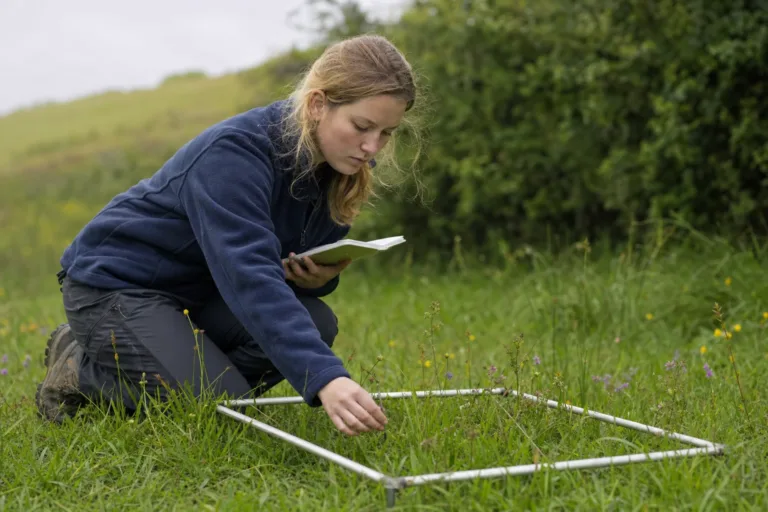
Voluntary bat walks, breeding bird surveys with your local group, reptile refugia checks, a summer with a wildlife trust. All of it counts, and all of it is worth writing down properly.
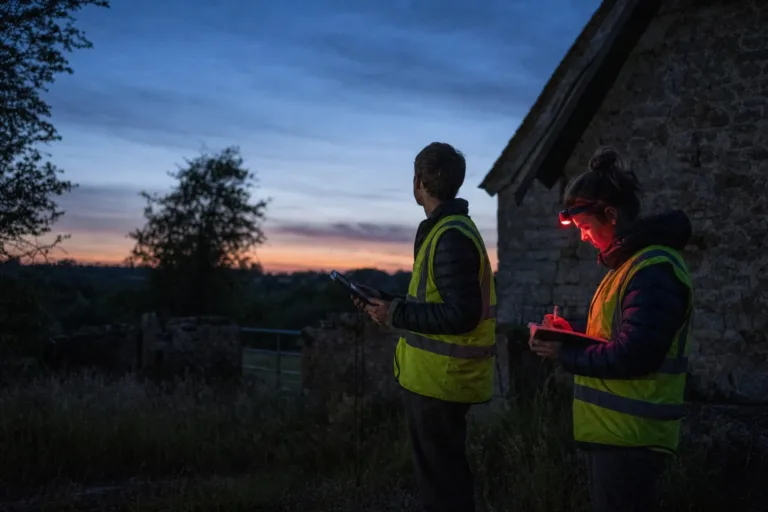
What matters is that you have stood in a wet field at half past four in the morning and still done the work properly. That is most of the job.
4. Writing
Consultancy runs on reports. A graduate who writes clearly saves their senior colleagues hours every week, and everyone notices.
If you have written a dissertation, a survey report, or even a decent set of field notes, that is evidence. Say so.
Applying to the right places
Consultancies vary enormously, and the differences matter more than the size of the company.
A small regional practice will hand you a wider range of work sooner, but with less structure around you. A large multidisciplinary firm will give you a proper graduate programme and a named mentor, but you may spend your first year on one type of survey.
Neither is better. They suit different people, and knowing which one you are is worth more than another application.
This is exactly what our employer directory exists for. Look at the size, the coverage, the specialisms, and what each company says about early careers, before you write anything.
Timing your application
Ecological consultancy has a season. Survey work concentrates in spring and summer, which means hiring tends to build through late winter as companies work out what capacity they need.
Applying in January or February for a spring start is usually better timed than applying in July, when everyone is already out in the field and nobody has time to read your CV.
That said, speculative applications work in this industry more than in most. Small practices in particular often take people on without ever advertising, simply because the right person got in touch at the right moment.
What to do while you wait
If you are applying and not hearing back, the honest answer is usually that you need more of the four things above rather than more applications.
Pick one and work on it. A winter spent getting your licence, or learning to identify wintering birds properly, changes your application far more than another thirty covering letters will.
And keep going. Almost every senior ecologist we speak to was rejected repeatedly before their first role, and none of them remember it now.