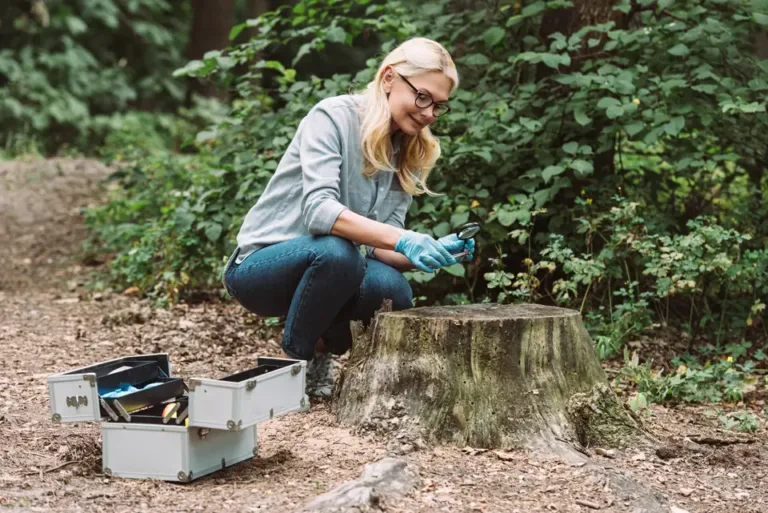




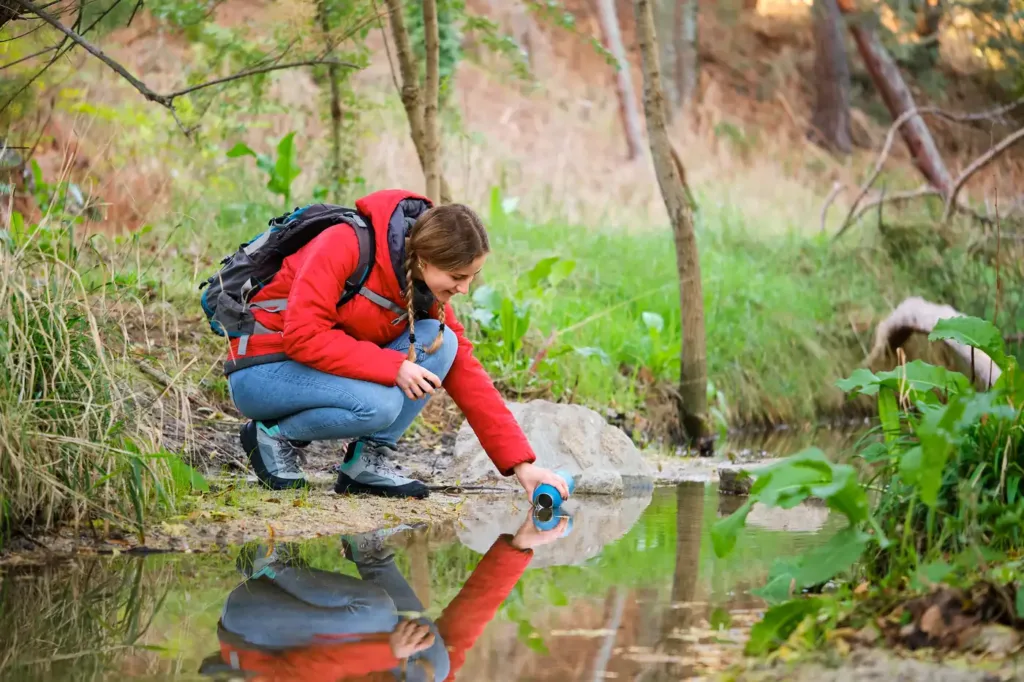
What does a typical day in the life of an ecologist actually look like? The honest answer is that there often is no standard day.
That is one of the things people do not always realise before starting a career in ecological consultancy.
Instead, the work changes throughout the year, and the survey season often determines what your days and weeks look like.
Spring and summer can involve early starts, late finishes and plenty of fieldwork. Winter can look completely different, with much more time spent on reports, planning, training and preparation.
If you are considering a career in ecology, understanding that seasonal rhythm is important.
What Does an Ecologist Do Day to Day?
Ecological consultancy usually involves a mixture of fieldwork and desk-based work.
Depending on your role, your day might include:
- ecological surveys
- travelling to sites
- recording field data
- report writing
- GIS and mapping
- speaking with clients
- arranging site access
- reviewing survey results
- planning future surveys
- training and professional development
The balance between these activities changes considerably throughout the year.
During the main ecology survey season, fieldwork can dominate parts of the week.
During quieter months, desk-based work often becomes much more prominent.
A Day in the Life of an Ecologist in April
April is when the working pattern can start changing quickly.
Imagine you have a dawn survey scheduled.
You might be up at four in the morning because the survey needs to begin before first light.
You travel to site, meet the rest of the survey team and spend the next couple of hours carrying out the survey and recording what you observe.
By the time the survey finishes, breakfast in the van can feel very welcome.
Then it is back to the office.
If possible, the best time to write up field notes is while the survey is still fresh in your mind.
That means the middle of the day might involve entering data, preparing notes, updating maps or beginning the relevant report.
The afternoon may then include more typical consultancy work, such as:
- writing reports
- preparing maps
- checking survey data
- answering emails
- contacting clients
- arranging site access
- preparing equipment for another survey
Then, during the busier parts of the survey season, you may be back out again in the evening.
An emergence survey might start around dusk, meaning another journey to site followed by several hours of fieldwork.
By the time you get home, it could easily be eleven at night.
That is the reality of some days in ecological consultancy during survey season.
Ecology Is Not Always a Nine-to-Five Job
This is worth being very clear about for anyone considering the profession.
Ecology consultancy is not necessarily a conventional nine-to-five job throughout the whole year.
Many ecological surveys need to take place at particular times.
Some are dictated by:
- sunrise
- sunset
- weather conditions
- season
- species activity
- ecological survey windows
That means early mornings and late evenings can be part of the job.
Between roughly April and September, depending on the type of work you are doing, working patterns can become much less predictable.
That does not mean every day involves extremely long hours.
But it does mean that flexibility is an important part of working as a field ecologist.
A Day in the Life of an Ecologist in December
Now compare that with December.
The working day can look completely different.
There may be fewer seasonal surveys taking place, so more of your time is likely to be spent at a desk.
Winter is often when:
- reports are completed
- survey results are reviewed
- project work is progressed
- training takes place
- procedures are updated
- teams prepare for the next survey season
- professional development gets more attention
You may also find yourself spending much more time with colleagues in the office.
After months of early starts, evening surveys and people working different fieldwork schedules, winter can feel like a completely different job.
How Much of Ecology Is Fieldwork?
This is something that surprises a lot of people entering the profession.
Many aspiring ecologists imagine the job as mainly outdoor work with a bit of administration attached.
In reality, ecological consultancy can be much closer to a combination of fieldwork and desk-based professional work.
Across a full year, you may spend a substantial amount of time writing reports, preparing maps, reviewing data, communicating with clients and organising projects.
The exact balance depends on your role and level of seniority.
An early-career ecologist may spend more time supporting surveys.
As you progress, you may spend increasing amounts of time on:
- report writing
- project management
- client communication
- technical review
- planning
- mentoring other ecologists
So if you are attracted to ecology purely because you want to spend every day outdoors, it is important to understand the wider reality of the job.
Report Writing Is a Big Part of Ecological Consultancy
Fieldwork produces information.
That information then has to be turned into something useful.
Clients, planners and other professionals need to understand:
- what was surveyed
- what was found
- what the findings mean
- whether further surveys are required
- what impacts could occur
- what recommendations should be followed
That is why report writing is such an important skill for ecologists.
A technically brilliant survey is only part of the job.
You also need to communicate your findings clearly and accurately.
Write Up Your Survey Notes as Soon as Possible
This is one of the simplest pieces of advice I would give somebody starting in ecology.
Write things up the same day wherever you can.
Everyone gets told this.
A lot of people ignore it.
Then months later they find themselves trying to remember the details of a particular site, hedge, habitat or survey.
Your memory is rarely as good as you think it will be.
Field notes that seem completely obvious in April may make considerably less sense in February.
Writing things up promptly helps you capture:
- what you observed
- unusual site conditions
- important conversations
- survey limitations
- features that might need follow-up work
- details that could otherwise be forgotten
Good habits early in your career save enormous amounts of time later.
Survey Season Can Be Tiring
There is also a physical side to ecology that people should be realistic about.
Early mornings and evening surveys can be enjoyable.
They can also become tiring when they happen repeatedly over several months.
The fatigue tends to build gradually.
You may be travelling considerable distances, working unusual hours and trying to balance fieldwork with reports and other responsibilities.
That is why managing your time and recovery matters.
You need to be honest with yourself about how much work you can realistically sustain.
Good consultancies should also recognise that survey season has to be managed properly.
The Job Changes as Your Career Develops
A day in the life of a Graduate Ecologist can look very different from the working day of a Senior Ecologist or Principal Ecologist.
Early in your career, you may spend more time:
- carrying out surveys
- collecting data
- assisting experienced ecologists
- learning survey techniques
- developing species identification skills
As you progress, your role may increasingly involve:
- managing projects
- reviewing reports
- speaking with clients
- planning survey strategies
- mentoring junior staff
- managing budgets and deadlines
- providing technical advice
That is one of the reasons it is difficult to describe a single “typical day” in ecology.
The work changes with the seasons, the projects you are working on and the stage of your career.
What I Would Tell Someone Starting in Ecology Now
If you are starting your first ecology role, I would tell you two things.
First, learn to write things up while they are still fresh.
It sounds basic, but it is one of the best habits you can develop.
Second, be realistic about the working pattern during survey season.
If you are entering ecological consultancy, particularly a field-based role, there may be periods where your working week does not resemble a conventional nine-to-five.
I enjoy that variety.
Many ecologists do.
But pretending those hours do not exist helps nobody.
Understanding the reality of the profession before you enter it means you can make a much better decision about whether it suits you.
So, What Is a Typical Day for an Ecologist?
There really isn’t one.
One day might begin before sunrise in a field.
Another might be spent writing reports and producing maps.
Another could involve a client meeting, site visit and an evening survey.
And in winter, you might spend the entire day in the office completing reports, undertaking training and preparing for the year ahead.
That variety is one of the defining features of ecological consultancy.
For some people, that is exactly what makes the career interesting.
Explore the Ecology Careers Hub
If you are considering a career in ecology, visit our Ecology Careers Hub for practical advice on ecology jobs, survey work, consultancy careers and developing your skills.
You can also explore Ecology Ready, our live programme for aspiring and early-career ecologists who want to better understand how ecological consultancy works in practice.