



We featured this company as our Employer Spotlight in September 2026. Tarnbeck Ecology – A season with the Bat Team
Tarnbeck Ecology has been working on development and infrastructure projects across the north of England since 2004. We started as three ecologists above a shop in Manchester and we are now a team of just under a hundred, with a second office in Leeds.
Most of our work comes back to us from clients we have had for years, which means an ecologist here usually follows a site from the first survey through to sign off rather than handing it on after the report.
We are owned by the people who work here. That is not a line for the website; it decides what work we take on.
We are looking for experienced bat ecologists for the Manchester team, particularly anyone holding a class licence or close to applying for one.
We are always glad to hear from graduates for the autumn intake, and from ecologists who have left the sector and are thinking about coming back.
Survey and licensing, with bats as our deepest specialism. A dedicated bat team from March to October.
Assessments and habitat management plans, from single field sites through to strategic infrastructure.
For planning, and the part that follows: discharging conditions, supervising works on site and monitoring.
Protected species survey and licensing, with bats as our deepest specialism. We run a dedicated bat team from March to October and we hold class licences across the team rather than in one or two people.
Biodiversity net gain assessments and habitat management plans, from single field sites through to strategic infrastructure.
Ecological impact assessment for planning, including the part that follows: discharging conditions, supervising works on site, and the monitoring reports that nobody reads but everybody needs.
“Survey season is unsociable and we do not pretend otherwise.”
Our offices are in Manchester and Leeds and between them they cover the north comfortably. Most people are within an hour of the sites they are working on.
We do take infrastructure work further afield, so there are some nights away through the season. We are straight about this at interview: expect roughly one week in five away from home between May and September, and very little of it for the rest of the year.
People usually join us for the bat team. They stay because we let ecologists keep their hands in the field; nobody here is promoted into a desk they did not ask for.
We are a size that still knows everybody’s name, with enough work coming through to give you range. A week on a canal-side mill conversion, then a month on a highways scheme, then back out on licence work.
We pay for survey licences, class licence applications and the training behind them, and the survey hours go into your workload rather than your weekends.
Survey season is unsociable and we do not pretend otherwise. Hours are flexible all year and the office is a choice rather than a rota.
Every new starter is paired with a senior ecologist for their first year, with the time protected in both diaries.
We pay membership and support the move through the grades, including the paperwork nobody enjoys.

I came here as an ecologist with one licence and no idea how to run a site. Fourteen years later I am still doing survey work, which is not how it usually goes.Rachel OkonkwoPrincipal Ecologist
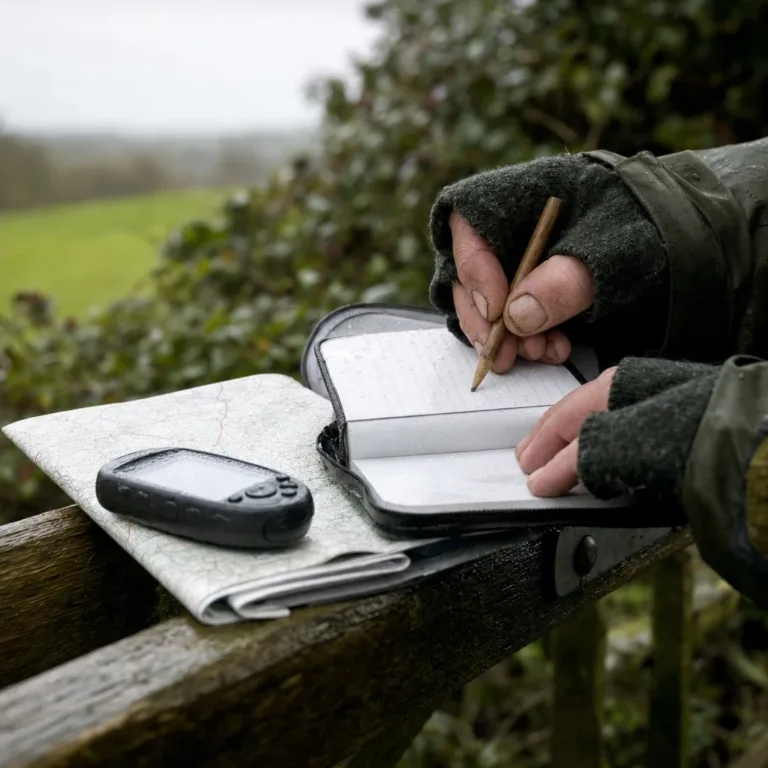
The bat team is the reason I moved. It is rare to find somewhere that treats it as a specialism rather than a thing you do in summer.Tom BradshawSenior Bat Ecologist
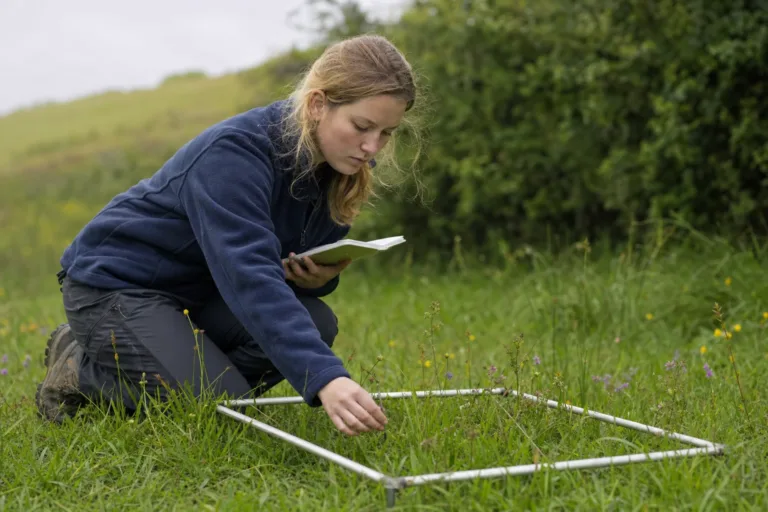
My first season was long and I loved it. You are out with somebody senior from week one, not reading a manual at a desk.Aisha RahmanGraduate Ecologist
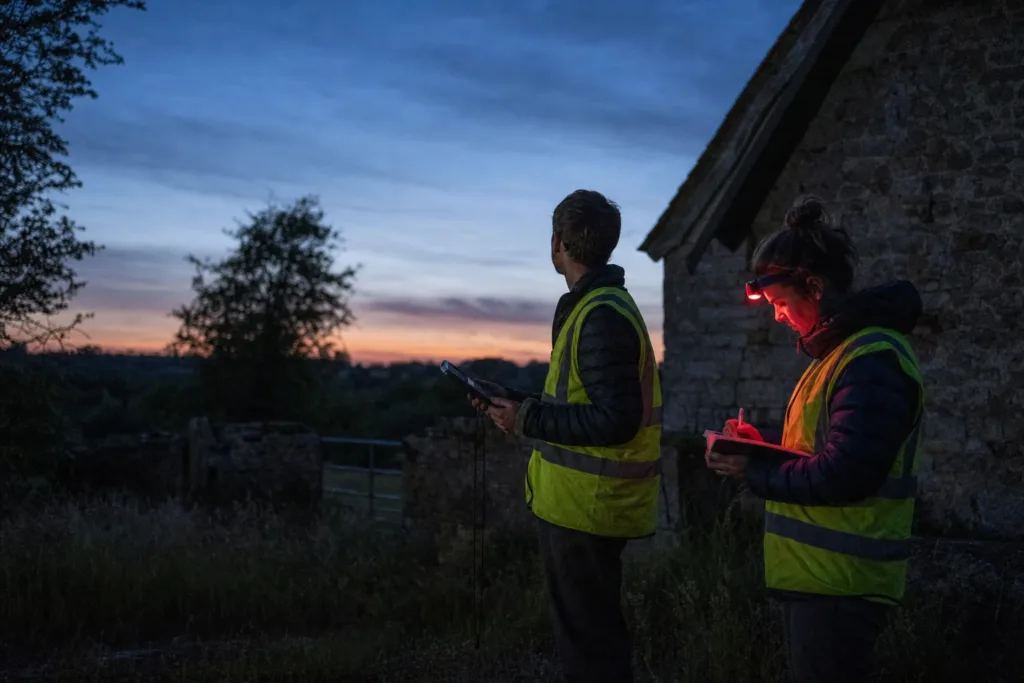
A roost in a derelict mill, found early and designed around rather than mitigated at the last minute. Emergence surveys through two seasons, a licence, and a bat loft built into the finished building.
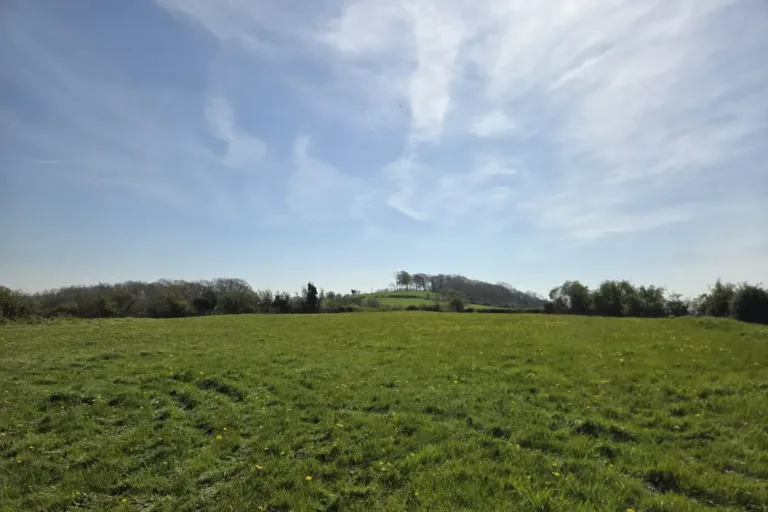
Baseline habitat survey, condition assessment and a net gain plan across a large brownfield site, with a thirty year management plan the client could actually afford to run.
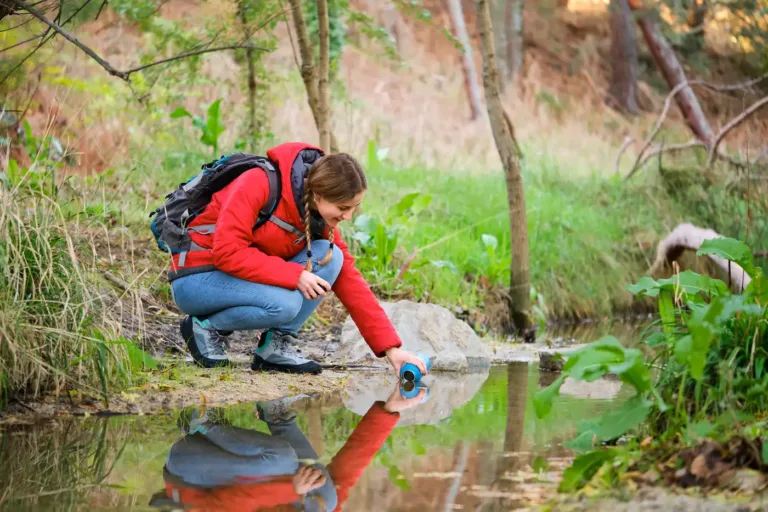
Freshwater survey and water quality monitoring along a scheme corridor, with ecological clerk of works cover through construction.
We take a small graduate intake every autumn, usually four or five people, and everybody starts in the same place: out with a survey team, learning the species and the paperwork at the same time.
Your first two seasons. Supervised survey work, species identification, and the reporting that goes with it.
You run your own surveys and write your own reports, with a licence or two of your own.
You lead sites, mentor the people behind you, and start holding client relationships.
Technical lead on the work that needs one, and a say in what the business takes on.
Everybody has a training budget and a plan, reviewed twice a year rather than once. Most of it goes on licences and species training, because that is what actually moves a career in this sector.
We run internal sessions through the winter, which is the only time of year there is space to think.
The first year is structured rather than sink or swim. You get a mentor, a training plan and a licence target, and you will spend most of your first summer in the field.
Bats and biodiversity net gain, at ecologist and senior ecologist level.
Three ecologists joined the Manchester bat team this summer and we are still looking for one more with a class licence.
The Yorkshire team outgrew the old space. Same street, more room, and a proper drying room for survey kit.
Four places, starting in September, based in either office.