


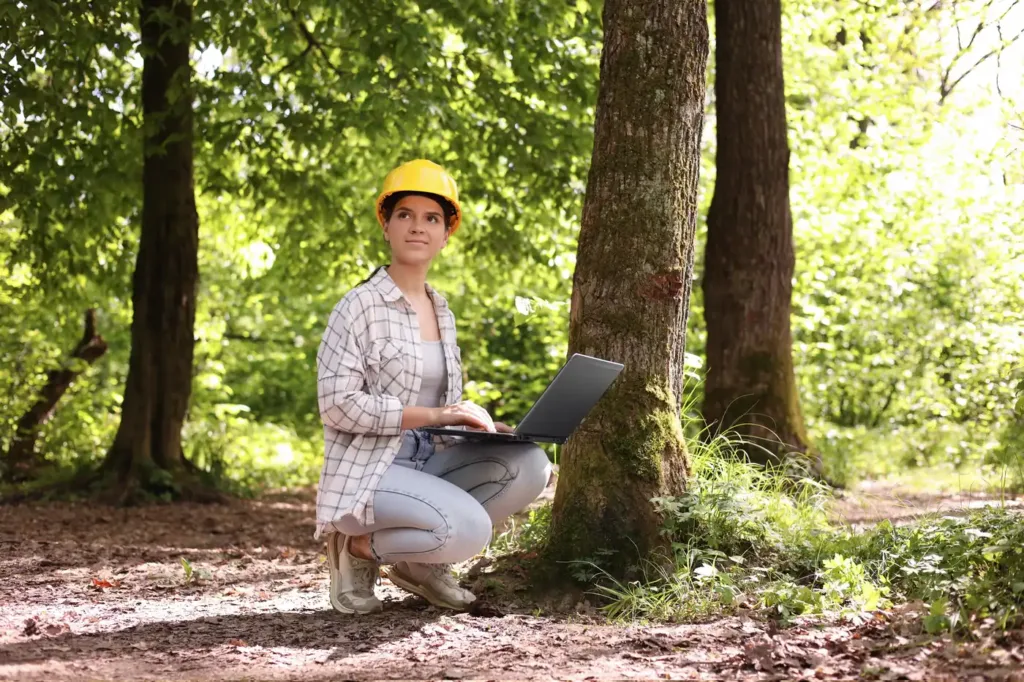
Demo employer feature: Tarnbeck Ecology is a fictional company created to show the type of company feature Aspire in Ecology can produce for real ecology businesses.
For many early-career ecologists, bat work is one of the areas that first attracts them into consultancy.
The reality, though, can vary enormously depending on the company you join.
Some consultancies carry out bat work alongside everything else. Others have dedicated teams, structured supervision and a clearer route for people who want to build their experience.
Tarnbeck Ecology is a fictional example of the latter.
It runs a dedicated bat team across the north of England, with the team operating as a specialist unit through much of the main survey season.
For people joining the business, that structure shapes the work they do, the support available to them and the type of experience they can build.
Why the bat team exists as a team
Plenty of ecological consultancies carry out bat surveys during the warmer months alongside habitat work, protected species surveys, reporting and other consultancy projects.
Tarnbeck Ecology takes a different approach.
Its bat team operates as a standing specialism from roughly March to October, rather than simply being assembled when survey work becomes busy.
Class licence holders are spread throughout the team rather than responsibility sitting with one or two individuals.
That has a practical impact on early-career staff.
There is usually somebody experienced available to supervise survey work, answer questions and help newer ecologists understand not only what they are doing, but why.
For people hoping to build experience towards future licensing, that structure can be particularly valuable.
What a season looks like
The work changes significantly as the season develops.
During the warmer months, the team may be involved in:
- emergence and re-entry surveys
- preliminary roost assessments
- roost inspections
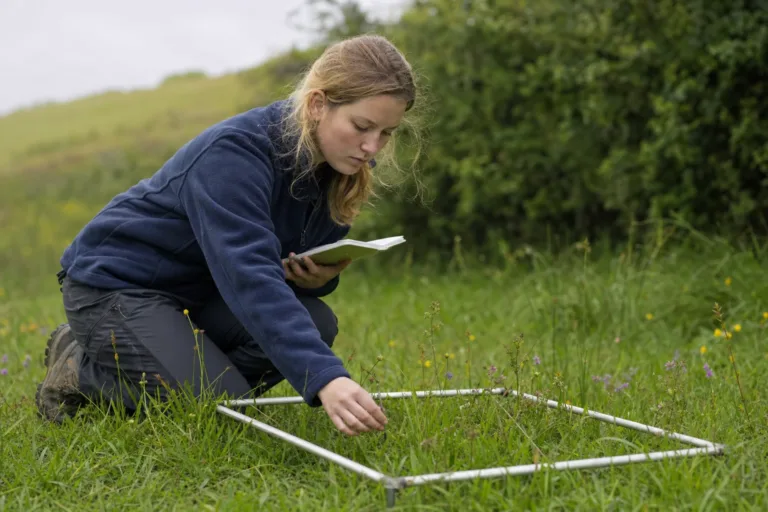
- activity surveys
- mitigation work
- licence-related projects
- follow-up monitoring
- report writing and survey interpretation
The sites can vary just as much as the work itself.
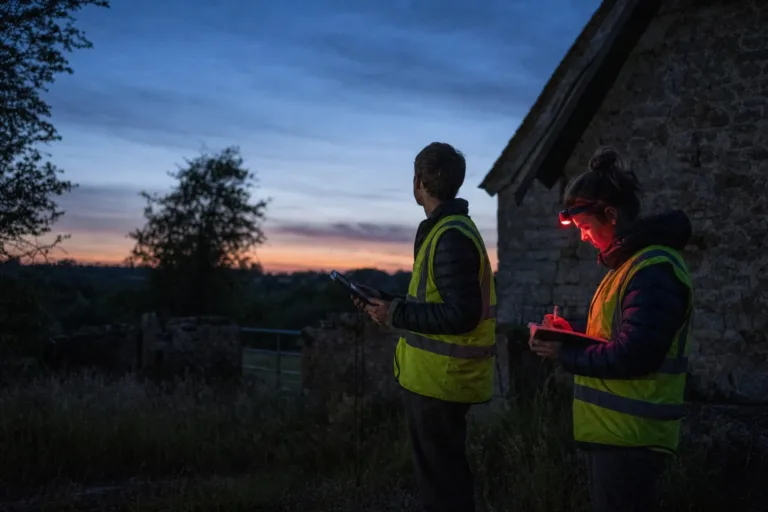
One evening might involve a single derelict mill.
Another could involve a major development site or a long stretch of highway corridor.
That variety is one of the attractions of bat work, but it also means people need to be comfortable with travel, unusual hours and changing workloads.
The Reality of Travel
Tarnbeck Ecology is straightforward with people about travel from the beginning.
During the busiest part of the season, staff might expect to spend roughly one week in five away from home between May and September.
Outside that period, overnight travel is much less common.
That is the sort of detail that can make a big difference to whether a job suits somebody.
A role can sound attractive on paper, but the reality of regular travel, late finishes or early starts needs to work for the person doing it.
For anyone applying for an ecology role, it is worth asking about this before accepting an offer.
How much overnight travel is involved?
How often are surveys carried out away from the local area?
How are late finishes managed?
What happens after a long evening survey?
Those questions give a far better picture of the job than the title alone.
How People Join the Team
Tarnbeck Ecology recruits a small graduate intake each autumn.
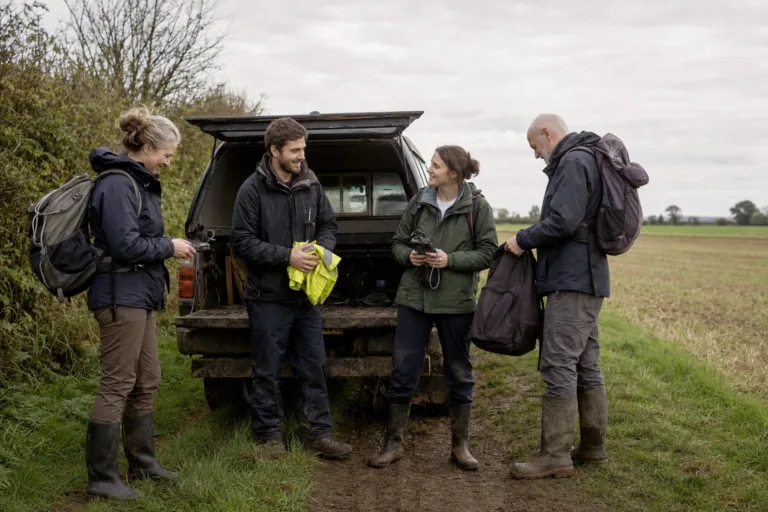
Typically, four or five new ecologists join the business and begin their first year working alongside survey teams rather than spending most of their time at a desk.
Each new starter is paired with a more experienced ecologist.
That creates a simple structure around their development.
They are not just sent out to accumulate survey hours.
They are given the opportunity to observe, ask questions, receive feedback and gradually take on more responsibility.
By the end of that first year, many will have built a meaningful record of practical survey experience across a range of sites and situations.
Why Supervision Matters
For early-career ecologists, having access to experienced people can make a significant difference.
It can mean more opportunities to:
- carry out supervised surveys
- improve species identification
- understand survey methodology
- receive feedback in the field
- build confidence
- learn how survey findings affect a project
- develop towards future licensing
This is where there can be a real difference between companies.
An employer may say it supports training and development.
The more important question is whether the structure, workload and people are actually there to make that happen.
At Tarnbeck, the intention is that professional development happens as part of the work rather than sitting separately from it.
What Happens Outside the Main Survey Season?
The work does not stop when the summer survey period ends.
It changes.
Winter brings more time for:
- report writing
- reviewing survey findings
- licence work
- mitigation planning
- project preparation
- training
- professional development
- team development
For early-career staff, this is where the wider consultancy picture becomes clearer.
Fieldwork is only one part of ecological consultancy.
Survey results have to be interpreted, written up, communicated and turned into useful advice for clients and projects.
Understanding that process is an important part of becoming a rounded consultant.
What Early-Career Ecologists Could Learn From This Structure
A dedicated specialist team can offer a very different early-career experience from a generalist role.
For somebody with a particular interest in bats, the benefits could include:
- regular exposure to bat work
- more experienced people to learn from
- clearer supervision
- structured development
- repeated practical experience
- better understanding of licensing work
- more confidence in the field
It does not automatically make one company better than another.
Some people will prefer a broader role covering habitats, protected species, BNG, GIS and report writing across a wide range of projects.
Others may want to specialise earlier.
The important thing is understanding what type of experience a company can realistically offer.
The Questions Worth Asking Before You Join
If you are considering an ecology role and specialist development matters to you, ask specific questions.
You might want to know:
- how many licence holders are in the team?
- how much specialist survey work does the company undertake?
- who would supervise you?
- how is practical experience recorded?
- how much travel is involved?
- how are late-night surveys balanced with daytime work?
- what does the role look like outside survey season?
- what training is provided?
- how do people progress within the team?
Those answers will tell you much more than a general statement such as:
“We support professional development.”
The Bigger Picture
Tarnbeck Ecology is fictional, but the questions raised by this example are very real.
When choosing an employer, look beyond the job title.
Look at the structure behind it.
Who will you work with?
Who will supervise you?
What sort of projects will you be exposed to?
How much responsibility will you be given?
What kind of experience will you actually build?
And does the company have the people and systems in place to help you develop in the direction you want to go?
Those are often the things that make the biggest difference to an early-career ecologist.
Want to Showcase Your Ecology Business?
Aspire in Ecology can create editorial-style features that help ecology businesses show people what it is really like to work with them.
Rather than simply listing your company name and services, we can tell the story behind your teams, projects, specialist areas, culture, training and career opportunities.
A feature like this could focus on:
- a specialist team
- a typical survey season
- a graduate development programme
- a major project
- company culture
- training and professional development
- career progression
- the people behind the business
Tarnbeck Ecology is fictional. Your business does not have to be.
Want to share a real story. Contact us Aspire in Ecology – Employers
Need help developing your junior ecologist or finding a graduate – Ecology Ready